

Calor Gas Patio Heater Review
The sturdy design of this patio heater as well as its low cost have been praised by reviewers. Be aware that any heater is a potential fire hazard. Always follow safety guidelines and ensure that you don't leave it alone.
Propane is known to produce more hot, more intense heat than electric patio heaters. Selecting patio heater gas regulator or electric model will depend on several factors, including the dimensions of your outdoor space as well as existing power sources.
Easy to Assemble
Gas heaters for patios are among the most efficient ways to keep your patio warm. These heaters can warm up an area without taking up much floor or wall space, and are available in various sizes to suit various spaces. You can choose between propane or natural gas model, depending on your budget and personal preference.
The most commonly used patio heater is powered by propane gas. It produces anywhere from 30,000 to 50,000 British Thermal Units (Btu) which is enough to heat the smallest outdoor space. You'll need to determine the square footage of your patio to determine the amount of Btu you'll need for maximum comfort.
Some propane patio heaters are equipped with a variety of safety features that ensure the safety of your family when using the device. Some of these features include tip-over prevention as well as flameout protection as well as anoxic control and protection against flameout. They can be set to shut down if the tank has run out of oxygen or if it is empty.
To ensure that your outdoor heater is working properly and is operating properly, you must check the supply of gas and the pilot light frequently. If your propane heater doesn't light, it may be a thermocouple issue. It is possible to fix the issue if the thermocouple is too far from the pilot light by taking off the access panel on top and gently pressing the two pieces together using pliers. The propane cylinder should be filled to capacity and in the on position.
If you're seeking an outdoor heater made of propane that will complement your decor, consider one with a chic bronze finish hammered. The instructions and diagrams make it easy to put together this propane patio heater. It is a little top-heavy so it's best to place it on a table that is sturdy and free of objects which could fall onto it.
Natural gas patio heaters can also be used to heat your patio. However, they require professional installation and are connected to gas supply. They're not as portable as propane heaters because you require a tank or gas line for fuel, and they can create gas emissions that are harmful to indoor air quality.
High Heat Output
The output of patio heaters is dependent on the kind of fuel they're using as well as by their size, but in general it's measured in British Thermal Units or BTUs. Schimmenti states that the greater the BTU rating of the heater, the greater heat it produces. "But that's only one component of it." The other aspect, which is climate is how hot or cold your home gets.
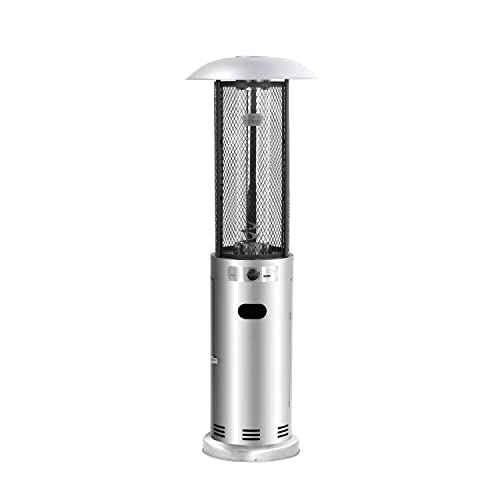
Electric patio heaters depend on an electric coil that produces heat. Propane models for heating patios use a flame within a glass tube. Propane models are typically mobile, while electric patio heaters have to be plugged into an outlet for power.
Most patio heaters have a hollow base that holds a standard 20-pound propane tank similar to those used in gas grills. They can be easily moved around your patio or yard to provide ample coverage for your guests. The propane tanks can be moved using the access door built-in to their base. Some patio heaters come with an adjustable rotary dial that can be used to alter the size of the flame.
The propane patio heaters that look like mushrooms have a dome-shaped top that focuses the heat downwards, while pyramid-shaped units can scatter their heat in multiple directions. This makes them better to heat a larger area as smaller models tend to concentrate their heat on specific areas and are ideal for covering small areas like porches or balconies.
Some models are free-standing, while others are mounted on a table or pedestal. The models that stand on their own feature wheels at the bottom and look more umbrella-like, while those that mount are usually smaller and have smaller footprints and can be positioned on a pedestal or table to make room. Some models have remote controls to regulate the heat and flame, making them more convenient to use. Certain models come with an automatic shutoff valve that will automatically shut off the unit if it teeters over. These features are particularly useful when the heater on your patio is near children or pets.
Easy to Clean
A gas patio heater is a quick and easy method to add instant warmth to any outdoor space. It's also more portable than an electric patio heater that is mounted on the wall because it does not require a cord or power source. It is powered by natural gas or propane. This makes it a fantastic choice for homes and businesses particularly pubs and restaurants.
You will need to clean and maintain your calor gas patio heating system regularly as with any other gas appliance. This will ensure that they run smoothly. Regular maintenance will ensure that you get the best use from your equipment and will also prolong its lifespan. Begin by turning off your patio heater and letting it cool. When it is safe to be touched, you can remove the front panel and clean any debris or dust inside the burners. Then you can use a damp cloth to clean the exterior of the heater. It is recommended to clean your patio heater every year to avoid blockages and other damage.
In winter, dust, spiders and smog can build up on your patio heaters, which may limit their pilot flame. If the pilot flame isn't sufficient, it won't be able to heat the thermocouple and tell the gas valve to open, delivering gas to the burner. This could result in the pilot light flickering or, in certain cases, the unit will not even start.
To prevent this from occurring, you should have an expert inspect your gas heaters prior the start of every heating season. This includes checking for signs of leakage in the gas valve and regulator. Examine for corroded wiring on the control panel. A corroded switch on a natural-gas outdoor heater can prevent it from starting. You should replace any parts that show signs of damage immediately to avoid any further repairs.
Low Maintenance
Gas patio heaters, as their name suggests, make use of combustion to heat the patio. They can be fueled with propane, natural gas or electricity. Each fuel type has its own benefits and drawbacks. Natural gas patio heaters, like, have the lowest operating cost, but they are not accessible in all regions. Propane heaters for patios are simple to install and carry around, but they require regular refills. Electric patio heaters have the advantage of a constant supply of energy, but they are not as effective at heating large outdoor spaces.
Gas patio heaters aren't only efficient in terms of functionality but also visually appealing. Many people prefer flickering gas heater over the artificial glare associated with electric models. Additionally, gas patio heaters come in different sizes and styles to match different styles of decor.
Unlike portable outdoor electric heaters gas patio heaters are able to be left outside year-round without worry of rain or snow. It is essential to keep these heaters maintained to ensure they last as long as possible.
The propane tank should be removed and stored when it is not in use. This will help keep away spills and other hazards. Also, you should look over the patio heater to check for signs of damage like insects or rust. It is best to repair or replace the heater if you notice any problems.
Finally, it is important to keep the area around the gas patio heater clear of flammable objects and materials. This will help keep fires from happening and also protect your guests from injury. It is also essential to follow the manufacturer's guidelines and adhere to all local laws regarding outdoor heating. In addition, it's a good idea to have an electrician or when the heater is powered by natural gas, a plumber check the installation prior to using it.